- February 20, 2025
- 10:04 am
Vehicle manufacturers have made significant strides in enhancing safety features in cars over the years. From basic airbags to advanced driver assistance systems, the evolution of vehicle safety technology has been remarkable. In this article, we will delve into the world of advanced safety features in cars and how they are revolutionizing road safety.
The Evolution of Vehicle Safety
Vehicle safety has come a long way since the introduction of seat belts and airbags. Today, cars are equipped with a wide range of advanced safety features that work together to protect drivers and passengers in various scenarios. Let’s explore how these safety features have evolved over the years.
Advanced Driver Assistance Systems (ADAS)
Advanced Driver Assistance Systems, or ADAS, encompass a variety of technologies designed to enhance driver safety and comfort. These systems use sensors and cameras to monitor the vehicle’s surroundings and provide real-time feedback to the driver. Some common features of ADAS include:
- Adaptive Cruise Control (ACC)
- Lane Departure Warning
- Automatic Emergency Braking
- Blind Spot Monitoring
By integrating these technologies into modern vehicles, manufacturers are making significant strides in preventing accidents and reducing the severity of collisions.
Adaptive Cruise Control (ACC) and Collision Warning Systems
Adaptive Cruise Control (ACC) is a technology that automatically adjusts the vehicle’s speed to maintain a safe following distance from the car ahead. In combination with Collision Warning Systems, which alert drivers of potential collisions, these features work together to prevent accidents caused by human error or distraction.
Innovations in Crash Avoidance Technologies
In addition to ADAS, car manufacturers are constantly developing new technologies aimed at avoiding collisions altogether. These innovative safety features are designed to provide an extra layer of protection on the road.
Autonomous Emergency Braking (AEB) and Lane-Keeping Assist
Autonomous Emergency Braking (AEB) is a feature that automatically applies the brakes to prevent a collision if the driver fails to react in time. Lane-Keeping Assist, on the other hand, helps drivers stay in their lane by providing steering input or alerts when drifting out of lane. These technologies are paving the way for safer roads for all drivers.
Blind Spot Monitoring and Rear Cross-Traffic Alert
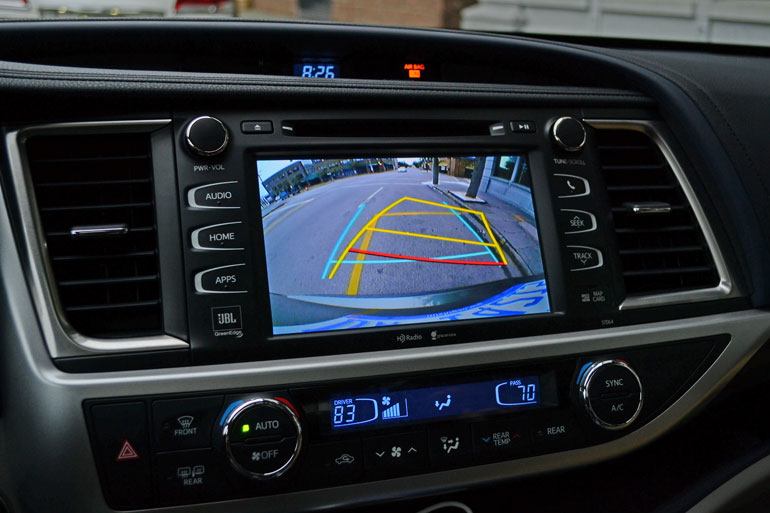
Blind Spot Monitoring systems use sensors to detect vehicles in the driver’s blind spots and provide visual or audible alerts to prevent lane-change accidents. Rear Cross-Traffic Alert warns drivers of approaching vehicles when backing out of parking spaces, reducing the risk of collisions in busy parking lots.
The Future of Vehicle Safety
As technology continues to advance, the future of vehicle safety looks promising. Manufacturers are already working on next-generation safety features that will further improve road safety for all motorists.
Vehicle-to-Everything (V2X) Communication
Vehicle-to-Everything (V2X) communication is an emerging technology that enables vehicles to communicate with each other and with the surrounding infrastructure. This connectivity allows cars to share real-time data on road conditions, traffic, and potential hazards, creating a safer driving environment for everyone on the road.
In conclusion, the advancements in vehicle safety technology have made cars safer than ever before. As manufacturers continue to innovate and develop new safety features, we can expect to see even greater improvements in road safety in the years to come.
If you are interested in learning more about the latest safety features in cars or are in the market for a safe and reliable vehicle, contact Car Quest Finance Center at gm@carquestfinance.com or (703) 232-2020. Our dealership specializes in a wide range of vehicles, including luxury cars, trucks, and SUVs, and we offer easy financing options for all customers. Your safety is our top priority, and we are here to help you find the perfect vehicle that meets your needs and budget.